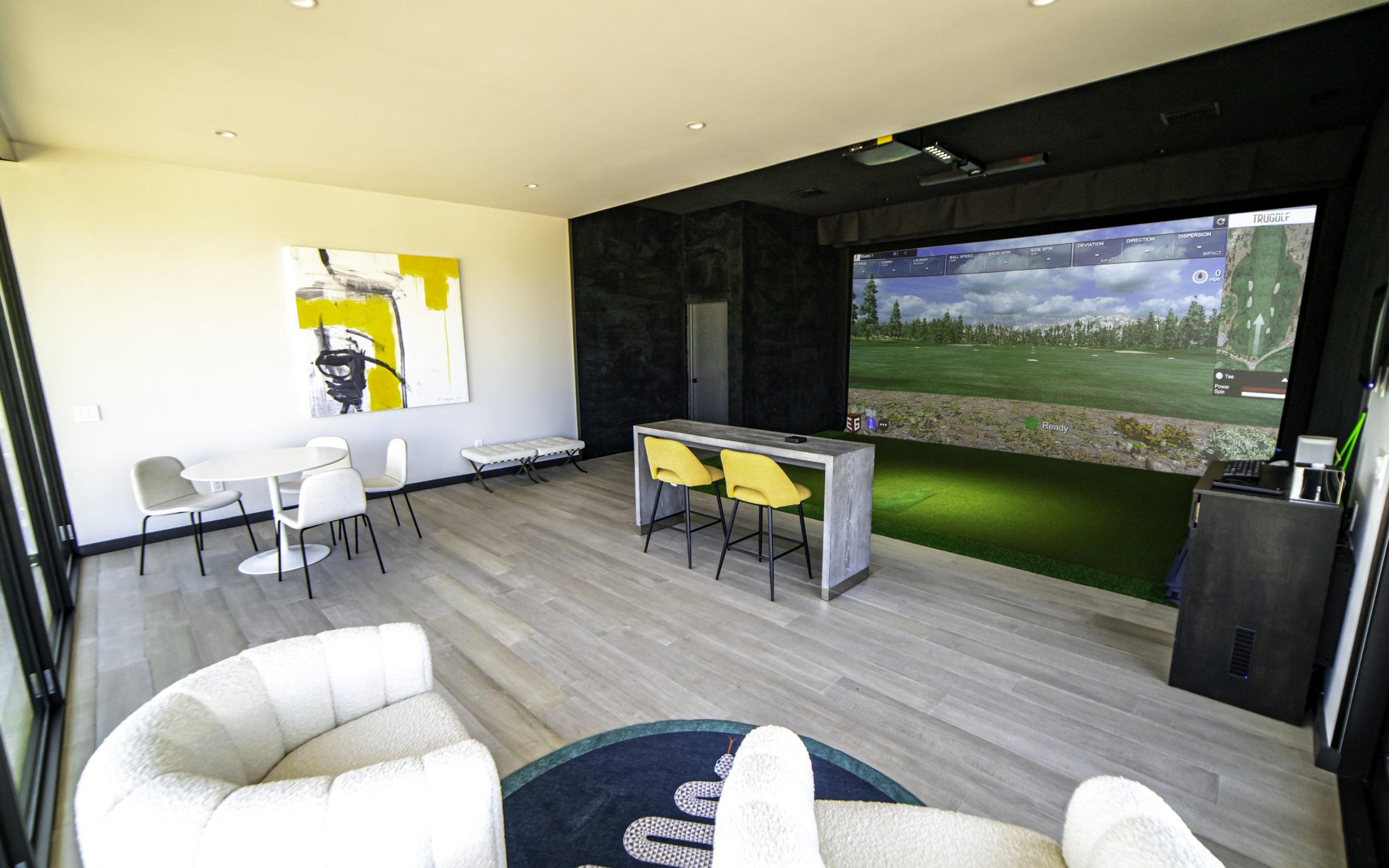
Buy the GC3 at $6,999. It's the right call for most golfers building a home sim: three cameras, solid ball data, and no subscription nonsense. Step up to the GCQuad ($18,000+) only if you fit clubs for a living and need loft, lie, face angle, and impact location. The QuadMAX adds a built-in touchscreen, swappable battery, and speed training, but it costs more. Below, we break down exactly what that extra camera buys you.
If you're staring at three Foresight units and wondering why they all claim to be accurate, here's the short version: they are.
The real question is how much club data you need. GC3 uses three cameras and gives you ball speed, spin, spin axis, carry, club head speed, club path, and angle of attack. Good stuff. But the hitting zone is only 7 x 10 inches, so your ball placement matters.
GCQuad adds a fourth camera, face angle, impact location, loft/lie at impact, and closure rate, plus an 18 x 14 inch zone that forgives sloppy setup. That's the fitter's pick. Foresight builds the GCQuad around four-camera quadrascopic imaging for detailed ball and club analysis.
QuadMAX runs the same platform with a touchscreen, Speed Training Mode, more battery, and less weight. Pay up only if you'll actually use it. Concretely, that means a backlit touchscreen, 7 9 hours of battery life, and a 6.3 lb unit measuring 7 x 4 x 12.5 inches.
So what does that fourth camera actually buy you? Not much on ball data, honestly. Both the GC3's triscopic setup and the GCQuad's quadrascopic system measure ball flight photometrically, and the GC3 already nails the core numbers at impact. Foresight itself frames the two units as sharing the same core photometric tech, with the GCQuad simply adding an extra camera, a larger hitting area and slightly longer battery life. Don't upgrade for spin.
Club data is where it gets real. That extra angle opens up delivered loft and lie, face angle, impact location, and closure rate fitting-grade stuff the GC3 just doesn't give you natively. All told, the GCQuad reads 25+ data parameters, including 14 dedicated putting metrics that normally run as a $2,500 add-on. You also get a much bigger hitting zone: roughly 14 x 18 inches versus 7 x 10 inches, plus better mishit tracking because more cameras see more of the clubface through impact.
So: fitters, coaches, and serious swing nerds, go four cameras. Everyone else, save your money.
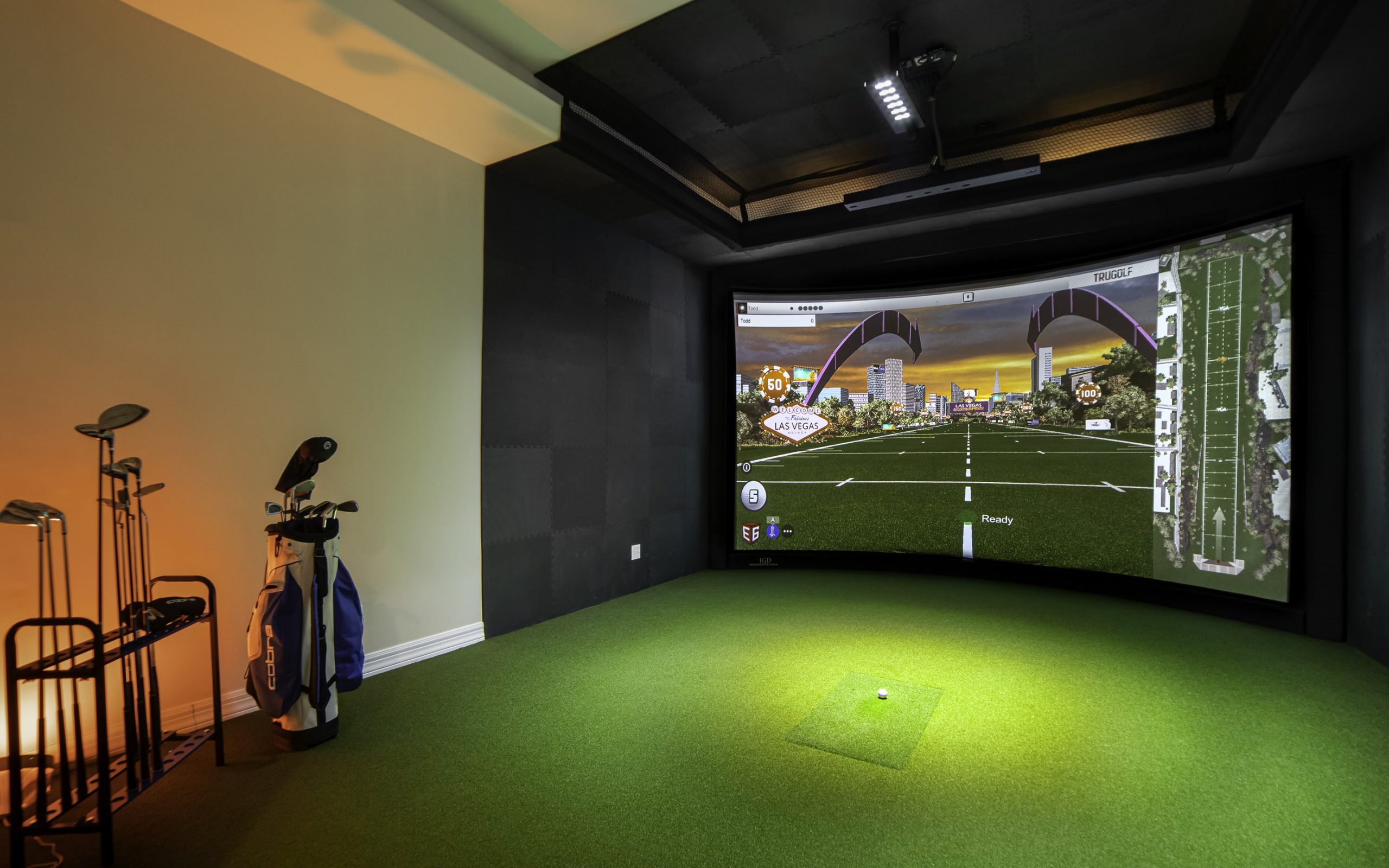
Here's where the GC3 earns its spot: you're getting real Foresight photometric data ball speed, launch angle, side angle, total spin, spin axis, carry distance, club head speed, smash factor, club path, and angle of attack once you slap on the metallic face stickers.
No ball marking. No subscription to use the core unit. That last part matters more than people admit, because monthly fees quietly wreck the math on a "cheap" monitor. It also travels well for a unit this capable, with four ways to connect to your devices, a touch screen readable indoors and outdoors, and a 5-7 hour battery at 5 lbs.
You're giving up one camera. That's it. Three instead of four, same measurement approach, roughly two grand saved. The bundle still arrives loaded, too, with clubhead measurement, a GC3 sling bag, 30 days of Foresight+ Gold Membership with Club Pass Pro, and a 2-Year Warranty.
Add that fourth camera, and everything changes. The GCQuad's quadrascopic setup photographs your impact from four angles, so you get measured launch and impact data instead of educated guesses. That's why tour fitters use it.
You get the ball stuff: launch angle, side angle, ball speed, total spin, carry, spin axis standard, no upcharge. But the club data is the real reason to buy: head speed, smash factor, club path, angle of attack, plus loft/lie, face angle, impact location, and closure rate. Fair warning: the full club package may need fiducial markers.
It putts, too. The hitting zone runs 18 x 14 inches, the display works outdoors, and infrared handles indoor bays. That forgiveness comes from an expanded ball capture area up to 6 times larger than the one on the GC2.
It weighs 7.5 pounds and includes a 6-hour battery, USB-C, Wi-Fi, Ethernet, and Bluetooth. It also ships with a 2-Year Warranty, plus a power adapter and cable, USB-C cable, alignment stick, and club markers.
Now take everything the GCQuad does and add a touchscreen. That's the QuadMAX. Same quadrascopic four-camera photometric system, same ball and club data: ball speed, launch angle, spin axis, club path, angle of attack, impact location, closure rate, but now you read it all right on the unit. No laptop. No tablet propped on a bucket. MyTiles lets you pick which numbers show up, and when, so you're not scrolling past junk you don't care about.
Speed training mode is the sleeper feature here. Slap a reflective marker on a club or training aid, and it measures swing speed with no ball. Since it operates without hitting a ball, you can build and track speed anywhere you have room to swing, with the numbers displayed across a set so progress isn't guesswork. Huge for speed work.
It's 6.3 pounds lighter than the GCQuad 12.5 by 7 by 4 inches, 12,000 mAh, 7 to 9 hours, and field-swappable. Pairing is painless too, since NFC compatibility lets you connect to the Foresight App by simply holding your phone up to the screen.
Let's cut to it: for most golfers, the GC3 is the right buy. At roughly $6,999, you get photometric camera tracking, ball speed, launch angle, spin, spin axis, carry, clubhead speed, smash factor, club path, and angle of attack. That's the data that actually fixes your swing. Some bundles even toss in a Bushnell Pro X3+LINK rangefinder.
GCQuad runs $12,999 to $17,999. For that money, the fourth camera adds face angle, impact location, loft and lie at impact, and closure rate, plus optional putting analysis and a much bigger 18 x 14-inch hitting zone versus the GC3's 7 x 10.
Are you fitting clubs or coaching for a living? Buy the Quad. Building a home sim or chasing better ball flight? The GC3's plenty. Don't overpay for metrics you'll never read.
Don’t want to deal with all of this? This is where we come in. With over 20 years in the business, our expert team will help you create the golf simulator of your dreams. Contact us today or call any time at (602) 888-4018.